Don’t pay the penalty: FuelEU non-compliance costs will hurt
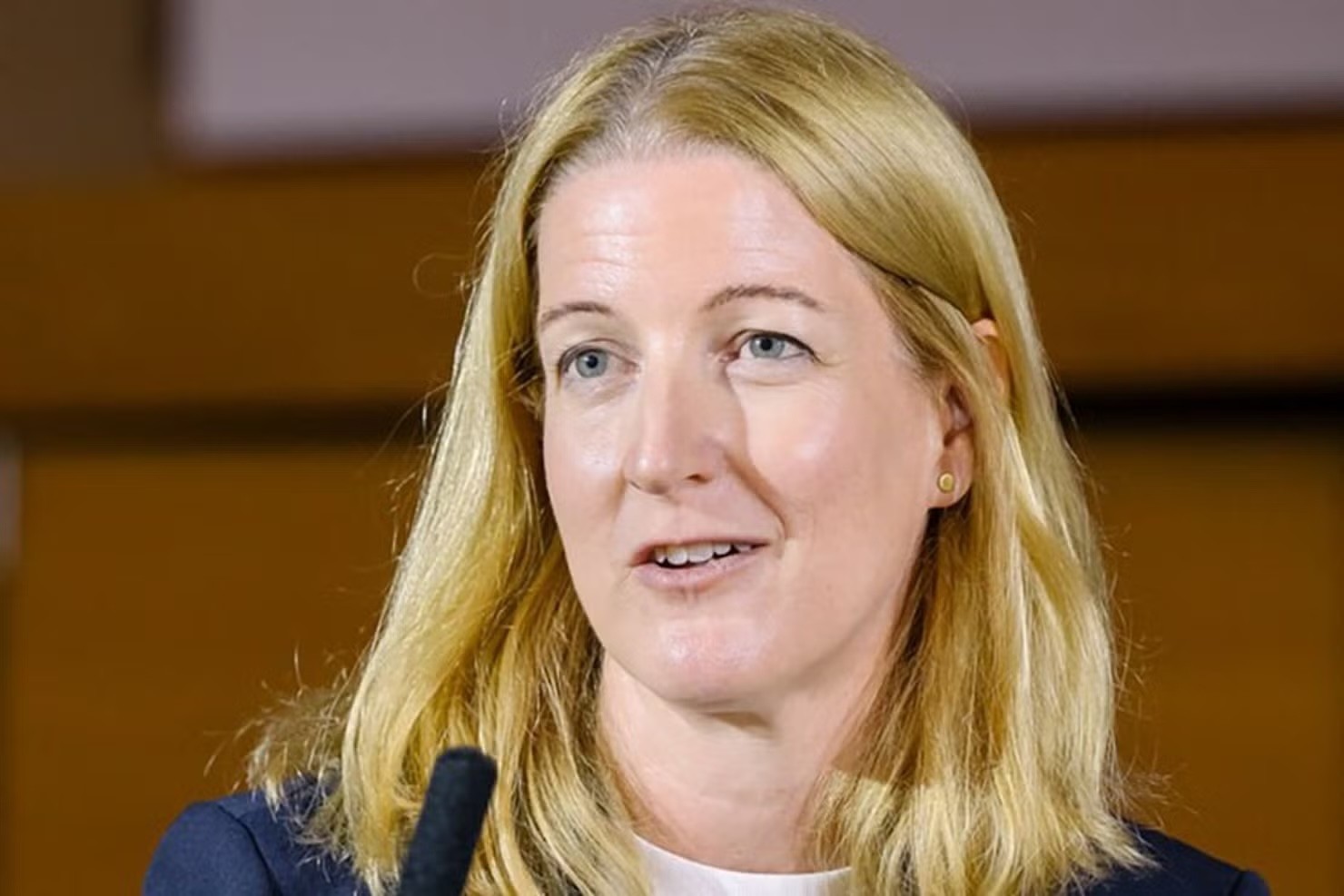
EU rules are pushing owners to use biofuels, argues ZERO44 founder Friederike Hesse
Shipowners with tonnage that sailed in or out of a European Union port last year have until the end of April to confirm their pooling arrangements or face tough penalties.
Under FuelEU Maritime, operators or owners responsible for compliance must ensure they have reported carbon emissions and that vessels meet the minimum 2% reduction threshold.
Friederike Hesse, managing director and co-founder of data and compliance monitoring at start-up ZERO44, said owners should have done their calculations by now and know whether vessels need to be in a compliance pool — particularly poor performers.
Penalty costs are higher than the cost of compliance by pooling a vessel, she added.
As an example, Hesse said a large container ship spending just under half its time on EU-linked voyages and using heavy fuel oil will see total emissions costs for 2026 of about €2.5m ($2.9m).
The costs stem from FuelEU alongside the EU and UK emissions trading schemes, with the EU Emissions Trading System the most significant contributor.
In four years, when the FuelEU benchmark tightens to 8%, overall compliance costs for a single large vessel could reach €4.8m.
She also warned against owners getting vessels locked into pools too early in the annual cycle, particularly if there is uncertainty over how they will be operated and whether they will use biofuels.
Hesse confirmed that many owners have found it more economical to blend biofuels with traditional marine fuels than to pay penalties for missing the 2025 emission targets, she told a seminar in Singapore this week.
“The penalties are high, as they are there to push behaviour change,” she added, noting that owners have options to pool, bank or borrow emissions allowances under FuelEU.
Of these, pooling is by far the most attractive option — borrowing from regulators carries an annual cost, while vessels with strong emissions values can bank credits for use when thresholds tighten further.
Hesse also pointed to the need for operators to understand their compliance responsibilities under charter agreements and ensure FuelEU costs are properly accounted for — with owners and charterers needing to agree in advance how those costs will be handled.
“We have charter clauses entered under our platform and then operators know whether they have the right to pool and whether they would benefit by using biofuel,” she said.
“Under FuelEU there is flexibility, as the regulation wants us to change the fuel and the regulations are crafted to incentivise us.
“Using biofuels is a smart strategy as you can then be the vessel other vessels are pooled with and you can increase revenue,” Hesse said, meaning compliant vessels can effectively sell their surplus compliance to deficit ships within a pool.
Contact us
